


Normandy’s D-Day coastline is not one single attraction. Beaches, cemeteries, museums, villages and fortifications stretch across a wide area, each revealing a different part of June 6, 1944 and the weeks that followed. For first-time visitors, the challenge is choosing places that connect into a meaningful route.
This top-ten guide highlights essential sites around the landing beaches, from American memorials to British and Canadian landmarks. It is a planning resource, not a suggestion to visit all ten in one day. DLS can arrange a private driver-guide and tailor the selection to your interests, starting point and time in Normandy.
How to Choose Your D-Day Stops
Start with the history you most want to understand. American families may prioritize Omaha and Utah; Canadian visitors often begin at Juno; British travelers may focus on Sword, Gold and Pegasus Bridge. Travelers with family records can build the route around a specific regiment or burial site.
Consider walking distances, museum hours and the emotional pace of cemetery visits. A one-day DDay beach excursion is best limited to one or two nearby sectors. With three days, there is more freedom to explore several national stories and add Normandy’s other highlights.
1. Omaha Beach
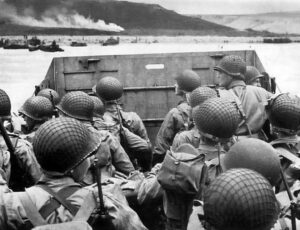
Omaha was the most heavily contested American landing beach on D-Day. Its broad sands and bluffs reveal the exposed terrain faced by the first assault waves. A stop at the shoreline works best with a map showing the landing sectors and beach exits.
Suggested visit: 45–60 minutes. Your driver-guide can adjust the stop to weather, opening hours and the rest of the route.
2. Normandy American Cemetery

Above Omaha Beach, rows of white headstones commemorate American service members who died in the European campaign. The visitor center adds context through personal stories. Families seeking a particular grave should share the name and details before the visit.
Suggested visit: 60–90 minutes. Your driver-guide can adjust the stop to weather, opening hours and the rest of the route.
3. Pointe du Hoc
US Army Rangers assaulted this cliff-top position to neutralize German guns. Bomb craters, fortifications and coastal views make the challenges of the operation tangible. Paths can be uneven and exposed to the wind.
Suggested visit: 45–60 minutes. Your driver-guide can adjust the stop to weather, opening hours and the rest of the route.
4. Utah Beach and Sainte-Mère-Église
Utah Beach tells the story of a comparatively successful American landing; inland, Sainte-Mère-Église recalls the airborne operations and the paratroopers who entered the village. The Airborne Museum is an optional addition for those interested in the 82nd and 101st Airborne Divisions.
Suggested visit: 90 minutes or more with museum. Your driver-guide can adjust the stop to weather, opening hours and the rest of the route.
5. Juno Beach Centre
At Courseulles-sur-Mer, the Juno Beach Centre presents Canada’s role in the war and the Normandy landings. It is particularly meaningful for Canadian families and visitors who want a fuller Allied perspective. Guided bunker visits may be available separately.
Suggested visit: 60–90 minutes. Your driver-guide can adjust the stop to weather, opening hours and the rest of the route.
6. Pegasus Bridge

The British glider assault on the bridges over the Caen Canal and Orne River began shortly after midnight on D-Day. The original bridge is displayed at the Mémorial Pegasus, helping explain the airborne operation and its strategic purpose.
Suggested visit: 45–75 minutes. Your driver-guide can adjust the stop to weather, opening hours and the rest of the route.
7. Arromanches-les-Bains

Offshore remains of the Mulberry harbor show how the Allies supplied troops after the landings. The seafront and viewpoints reveal the scale of this engineering achievement; a museum visit can deepen the story.
Suggested visit: 45–75 minutes. Your driver-guide can adjust the stop to weather, opening hours and the rest of the route.
8. British Normandy Memorial
Overlooking Gold Beach at Ver-sur-Mer, the memorial honors those under British command who died in the Normandy campaign. The coastal setting is peaceful and powerful, especially for families researching a named service member.
Suggested visit: 30–45 minutes. Your driver-guide can adjust the stop to weather, opening hours and the rest of the route.
9. Bayeux
Bayeux was liberated shortly after D-Day and makes an attractive base for exploring the beaches. Its cathedral, medieval streets and restaurants provide a different perspective on Normandy. The Bayeux Tapestry’s display arrangements should be checked in advance.
Suggested visit: 60–120 minutes. Your driver-guide can adjust the stop to weather, opening hours and the rest of the route.
10. Longues-sur-Mer Gun Battery
The surviving German coastal artillery emplacements help visitors understand the Atlantic Wall and the defenses facing Allied ships. The site is especially useful when combined with nearby Gold Beach or Arromanches.
Suggested visit: 30–45 minutes. Your driver-guide can adjust the stop to weather, opening hours and the rest of the route.
What Can You See in One Day?
For a focused American day, Omaha Beach, the American Cemetery, Pointe du Hoc and Utah Beach are a logical combination, though museum visits and distances may require choices. A British itinerary can link Pegasus Bridge, Sword Beach, Ver-sur-Mer and Arromanches. A Canadian day might combine Juno Beach, Bernières-sur-Mer and the Bény-sur-Mer Canadian War Cemetery.
These are alternatives rather than a single giant circuit. Lunch should be scheduled near the chosen sector, with a restaurant recommended according to the group’s preferences. Starting from Le Havre, Caen, Bayeux, Honfleur or Deauville changes the most sensible sequence.
How to Explore Normandy Over Three Days
A longer stay creates room for more than battlefield visits. One day could focus on a chosen D-Day sector; another could explore Mont Saint-Michel; a third could feature Honfleur, Bayeux or the countryside. Travelers arriving through Paris might also include Giverny on the transfer into Normandy.
For a sample airport-to-airport program, read our linked three-day Normandy itinerary. The aim is not to fill every hour but to combine historic depth with the region’s landscapes, food and seaside towns. DLS can also suggest the Mont Saint-Michel private tour and Authentic Normandy tour experiences.
Practical Advice Before You Visit
Most outdoor memorials can be appreciated year-round, but museums and visitor facilities have individual opening hours. D-Day anniversary dates in June can bring commemorations, traffic restrictions and larger crowds. The weather on the coast changes quickly; comfortable footwear and a light waterproof layer are useful even in summer.
A cemetery visit may be the emotional center of the day. If you are searching for a particular grave, share details early and allow unhurried time on site. Families traveling with children may prefer to balance memorials with an interactive museum or a short seaside walk.
Your Driver-Guide’s Tip: Choose a handful of meaningful places and give them time. The best itinerary is one you can remember, not one you merely complete.
Why a Private Driver-Guide Makes All the Difference
DLS plans Normandy guided private tours with a bilingual driver-guide, hotel or cruise-port pick-up and an itinerary shaped around each party. A private vehicle makes it easier to connect sites, pause for questions and adapt to mobility needs. Larger groups and specialist arrangements can be discussed ahead of time.
If your visit has a personal family-history purpose, preliminary research may help identify relevant battle locations and cemeteries. DLS can discuss that preparation before confirming a route; not every wartime movement can be reconstructed precisely.

What Makes a Private Tour Different?
- Hotel, airport or railway station pick-up
- English-speaking bilingual Driver-Guide
- Luxury SUV, Van or Mercedes Sprinter
- Flexible itinerary throughout the day
- Restaurant recommendations and reservations on request
- Tours for couples, families and private groups
Frequently Asked Questions
Can I visit all ten sites in one day?
No, not meaningfully. Select a focused route or spread visits across several days.
Which sites suit a first-time American visitor?
Omaha Beach, the American Cemetery and Pointe du Hoc are a strong starting point.
Can I focus on British or Canadian history?
Yes. The route can prioritize Sword and Gold or Juno Beach.
Can I add Mont Saint-Michel?
Yes, preferably on a separate day because of the distance
Plan Your Normandy Discovery
The most memorable D-Day visits connect landscapes to the people and decisions behind them. Whether you have one day or several, DLS can help shape a realistic journey around the sites that matter most to you.
"*" indicates required fields