


On June 6, 1944, British troops came ashore at Sword and Gold Beaches while airborne soldiers secured bridges and roads inland. Their objectives were linked but distinct: open routes toward Caen, establish a secure coastal foothold and connect with neighboring Allied forces. Visiting these places today reveals not only the scale of the operation but also the decisions made in its first hours.
This guide follows the British sector from Pegasus Bridge to Arromanches, with time for the memorials, coastal towns and stories that matter most to UK visitors. A dedicated bilingual driver-guide can adapt the route to your family history, walking preferences and available time.
Understanding the British D-Day Landings
Sword was the easternmost Allied landing beach; Gold lay farther west. The British 3rd Infantry Division landed at Sword, while the 50th (Northumbrian) Infantry Division landed at Gold. The landings depended on naval support, engineers, armored vehicles and troops already fighting inland.
For visitors, geography helps make sense of the story. Pegasus Bridge explains the airborne mission before dawn; the beaches show the amphibious assault; Ver-sur-Mer and Arromanches connect sacrifice with the logistical effort that sustained the advance.
Pegasus Bridge: The First Hours of the Invasion
Shortly after midnight, gliders carrying men of the Oxfordshire and Buckinghamshire Light Infantry landed close to the bridges over the Caen Canal and Orne River. Their mission was to secure the crossings and protect the eastern flank of the invasion. The precision of the landings is easier to appreciate on site than on a map.
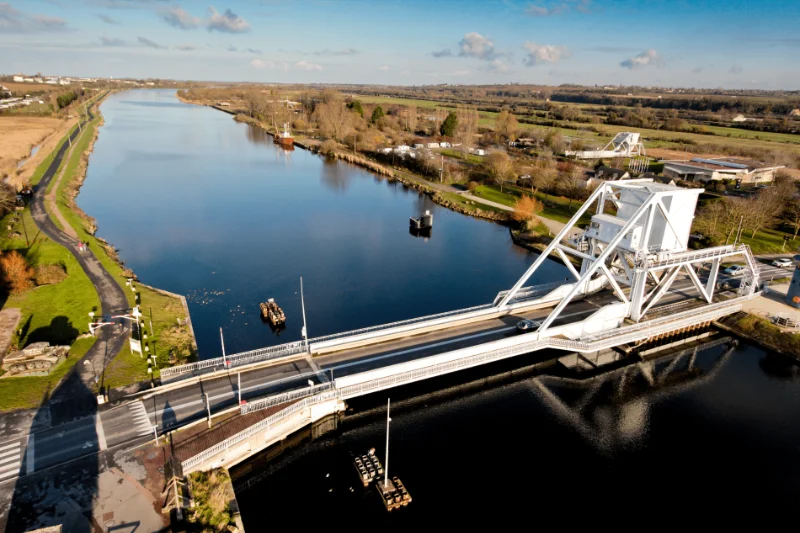
The original Pegasus Bridge is preserved at the nearby Mémorial Pegasus, while a replacement bridge serves traffic at the crossing. The museum helps visitors understand the glider assault and the work of the 6th Airborne Division. A visit also explains why controlling a single bridge could influence movements across a much larger battlefield.
Your Driver-Guide’s Tip: Start here when the museum is open, before following the airborne story toward Sword Beach. Allow approximately 45–75 minutes, depending on whether you visit the museum.
Sword Beach: The Landing and the Road to Caen
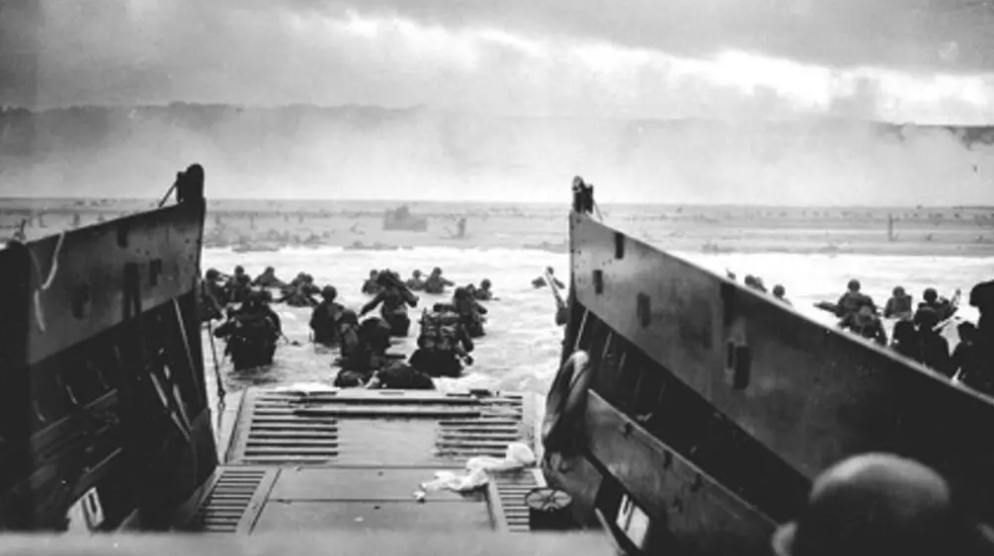
Sword Beach runs through the Ouistreham and Colleville-Montgomery area. British troops landed here with the difficult task of pushing toward Caen, a vital transport hub. Coastal defenses, strongpoints and German counterattacks complicated the advance; Caen was not captured on D-Day.
A walk along the shore allows visitors to picture the exposed landing area and the relationship between the beach exits and the roads inland. Ouistreham also provides a natural pause for lunch, although the best choice depends on the day’s route and restaurant availability.
Your Driver-Guide’s Tip: The shoreline is best understood alongside a map showing the original landing sectors and inland objectives. Allow around 30–45 minutes on the beach itself.
Gold Beach: The Advance Toward Bayeux
The Gold landing area extended along the coast around Asnelles and Ver-sur-Mer. British forces fought through beach defenses and inland villages while working to link up with neighboring units. Bayeux was liberated on June 7, becoming one of the earliest major towns freed after the landings.
Gold’s significance is sometimes overshadowed by more photographed beaches, yet it offers a clear way to discuss how assault troops, engineers and supporting armor moved from the shoreline into Normandy. The coastline also provides access to two essential sites: the British Normandy Memorial and Arromanches.
Your Driver-Guide’s Tip: Treat Gold Beach as a landscape rather than a single monument. Short stops at carefully selected viewpoints often tell the story better than an extended walk.
Memorials and Engineering Landmarks
The British sector is unusually rich in places that reveal both the human cost and the ingenuity of Operation Overlord. Two nearby sites deserve time rather than a rushed photo stop.
British Normandy Memorial at Ver-sur-Mer
Overlooking Gold Beach, the British Normandy Memorial commemorates more than 22,000 people under British command who died during the Normandy campaign. Its columns and names create a contemplative setting, with the coastline visible beyond.
The memorial is especially meaningful for families researching a relative who served with British or Commonwealth forces. Even without a personal connection, the names and dates offer a powerful reminder that the fighting continued long after June 6.
Allow 30–45 minutes, more if you wish to locate a particular name. Your driver-guide can help plan a suitable stop, but detailed genealogical research should be discussed in advance.
Arromanches: The Mulberry Harbour
At Arromanches-les-Bains, concrete remains visible offshore mark the site of the British Mulberry artificial harbor. The Allies needed a way to unload supplies before a major port could be secured; the temporary harbor helped sustain the campaign.
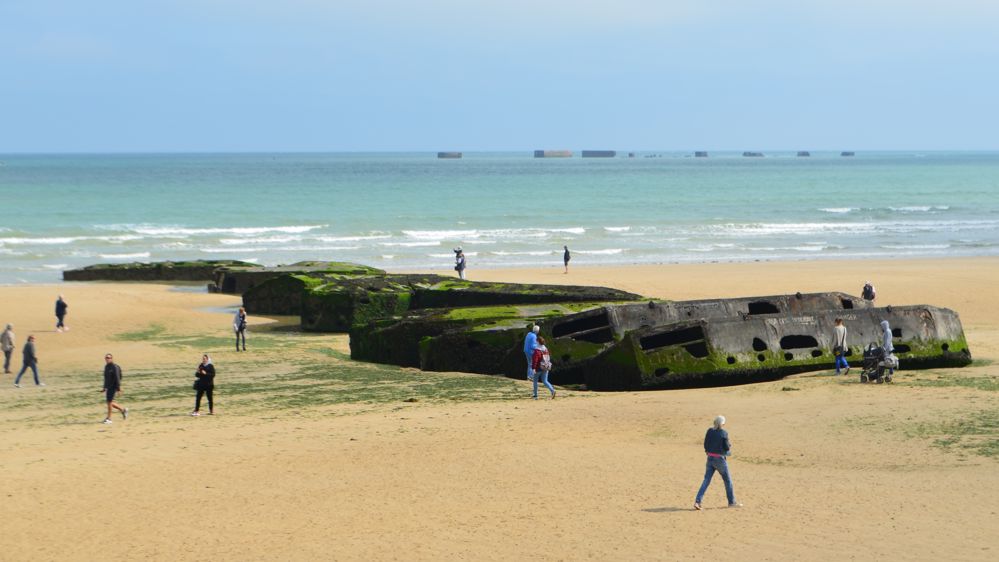
From the seafront or elevated viewpoints, visitors can see how engineering turned this bay into a supply lifeline. The D-Day Museum provides further context through models and displays. Arromanches also makes a pleasant place to stroll, with cafés and views across the water.
Your Driver-Guide’s Tip: Tide and weather affect how clearly the harbor remains can be seen. Allow 45–75 minutes, longer with the museum.
A Suggested One-Day British D-Day Itinerary
This is an illustrative schedule for a start in the Caen area. Pick-up in Deauville, Honfleur or Le Havre requires different driving times; your driver-guide will adjust the order accordingly.
9:00 AM–12:30 PM | Pegasus Bridge and Sword Beach
Begin with the airborne operation at Pegasus Bridge and, if desired, the Mémorial Pegasus. Continue to the coast at Ouistreham to understand the landing at Sword and the push toward Caen. Keep a short margin for questions, traffic and photographs.
Lunch is usually most comfortable around 12:15–12:45 PM at a restaurant recommended along the route. There is no need to cross Normandy for a famous address: the priority is a good meal without sacrificing the afternoon visits.
1:45–4:45 PM | Gold Beach, Ver-sur-Mer and Arromanches
Continue west to the Gold sector. Visit the British Normandy Memorial, then move to Arromanches to see the Mulberry harbor remains and, if time allows, the museum. The schedule works best when one museum is chosen as the main indoor visit rather than trying to fit in everything.
For visitors with a specific family connection, the route may instead focus on a regiment’s landing area, a village where it fought or a cemetery associated with the unit. Return times depend on the drop-off location.
Following a British Relative’s Footsteps
An itinerary can begin with a name, regiment, service number or wartime letter. DLS can discuss preliminary research and a route centered on relevant landing sectors, battle locations and memorials, subject to the records available. A precise personal route cannot always be reconstructed.
For an example of how a family story can shape a journey, see the linked Family Heritage Tour guide below. Visitors who want to compare national sectors can also explore our guides to the American Omaha and Utah beaches and Canada’s Juno Beach.
Why a Private Driver-Guide Makes All the Difference
A Normandy guided private tour combines comfortable travel with historical context and local insight. Your bilingual driver-guide helps connect the sites, explains the day’s geography and recommends practical stops without imposing a rigid group timetable.
DLS offers hotel, station and cruise-port pick-ups from locations including Deauville, Honfleur, Caen, Bayeux and Le Havre. Vehicle and group arrangements are agreed in advance. Specialist museum tours and additional services are subject to availability and the confirmed itinerary.

What Makes a Private Tour Different?
- Hotel, airport or railway station pick-up
- English-speaking bilingual Driver-Guide
- Luxury SUV, Van or Mercedes Sprinter
- Flexible itinerary throughout the day
- Restaurant recommendations and reservations on request
- Tours for couples, families and private groups
Frequently Asked Questions
Can I visit Sword and Gold in one day?
Yes, with a focused route and realistic museum choices
Is Pegasus Bridge on Sword Beach?
No. It is inland, but the airborne operation protected the eastern flank of the landings.
Can the itinerary follow my grandfather's regiment?
Often it can be tailored to documented locations, depending on the records available. You also can choose to discover our offer for following family footstep on a Normandy heritage tour.
Where should I start?
Caen is convenient for the eastern sector; other pick-up points are possible with adjusted timings.
Plan Your British D-Day Experience
From the gliders at Pegasus Bridge to the harbor remains at Arromanches, the British sector tells a story of courage, coordination and endurance. Share your preferred sites, family connections and departure point with DLS to design a private visit that gives each stop the time it deserves.
"*" indicates required fields