


For many Canadian visitors, travelling to Juno Beach is more than discovering another D-Day landing site. It is an opportunity to honour the nearly 14,000 Canadian soldiers who crossed the English Channel on June 6, 1944, and to better understand the decisive role Canada played in the liberation of Europe.
Although Juno Beach receives fewer visitors than Omaha Beach, many travellers are surprised by the depth of its history and the remarkable achievements of the Canadian forces. Within a single day, it is possible to explore the beaches, museums and villages where Canadian troops advanced farther inland than any other Allied force on D-Day.
In this guide, we’ll share the itinerary we recommend most often, together with practical advice to help you discover the Canadian sector of the Normandy landings.
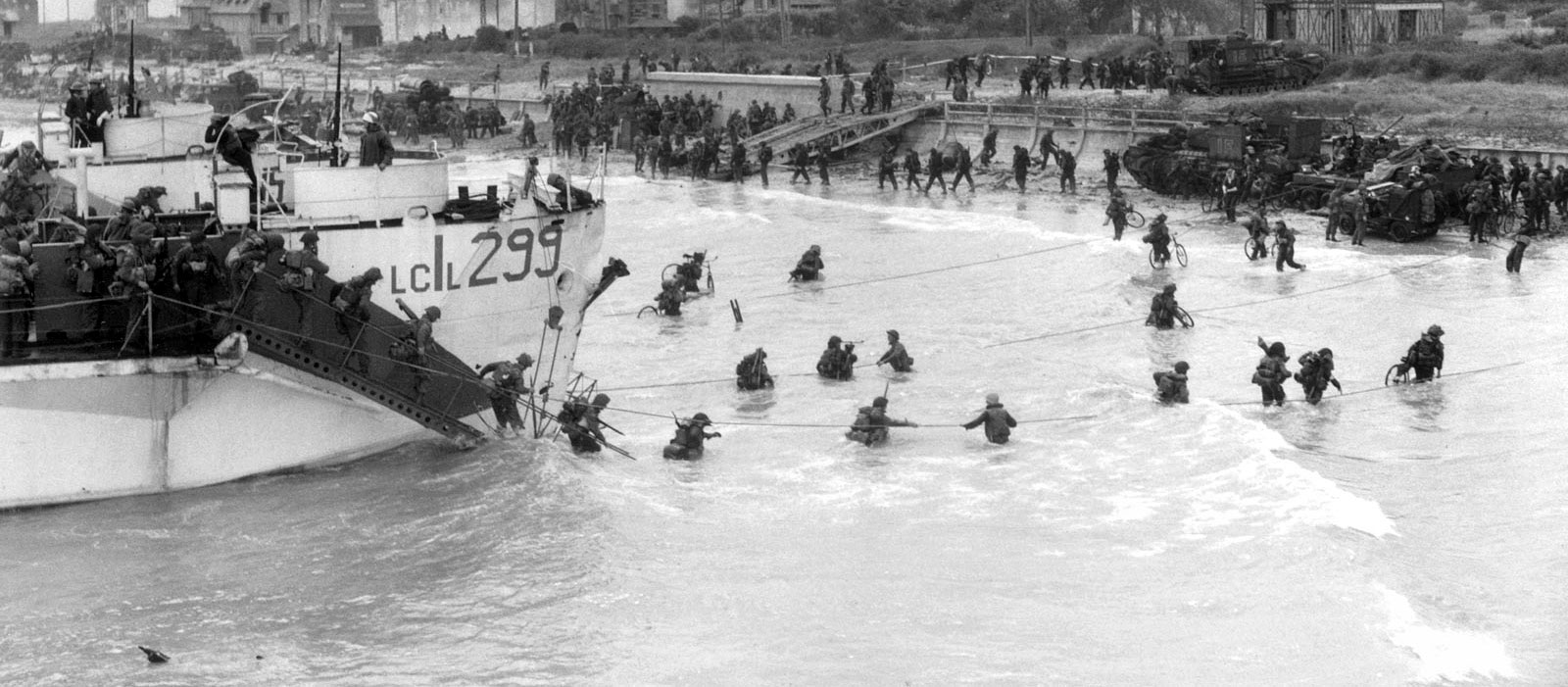
Why Visit Juno Beach?
Juno Beach offers a unique perspective on D-Day. While the American beaches are often associated with sacrifice, Juno tells the story of determination, coordination and one of the most successful Allied advances on June 6, 1944.
From Courseulles-sur-Mer to Bernières-sur-Mer and Saint-Aubin-sur-Mer, the Canadian sector combines powerful history with authentic seaside villages that have changed surprisingly little since the landings.
Juno Beach – Canada’s Beachhead in Normandy
Stretching along the Côte de Nacre, Juno Beach was assigned to the 3rd Canadian Infantry Division. Their objective was ambitious: land on heavily defended beaches, capture nearby villages and push farther inland than any other Allied force before nightfall.
Today, the beach feels peaceful. Wide stretches of sand, traditional seaside houses and fishing boats create a calm atmosphere that contrasts sharply with the events of June 6, 1944. Standing on the shoreline, it is easy to appreciate the challenges Canadian soldiers faced as they crossed open sand under enemy fire before entering the narrow streets of Courseulles-sur-Mer.
Unlike some larger memorial sites, Juno Beach has retained an authentic character. Rather than concentrating visitors around a single monument, history unfolds naturally as you move between the beach, the harbour and neighbouring villages.
Many visitors are surprised to learn that Canadian troops faced fierce resistance yet still achieved many of their objectives before the end of the first day, advancing farther inland than any other Allied force.
Your Driver-Guide Recommends: Visit Juno Beach in the morning when the beach is quieter and the tide often reveals the scale of the landing area.
Suggested visit: 45–60 minutes.
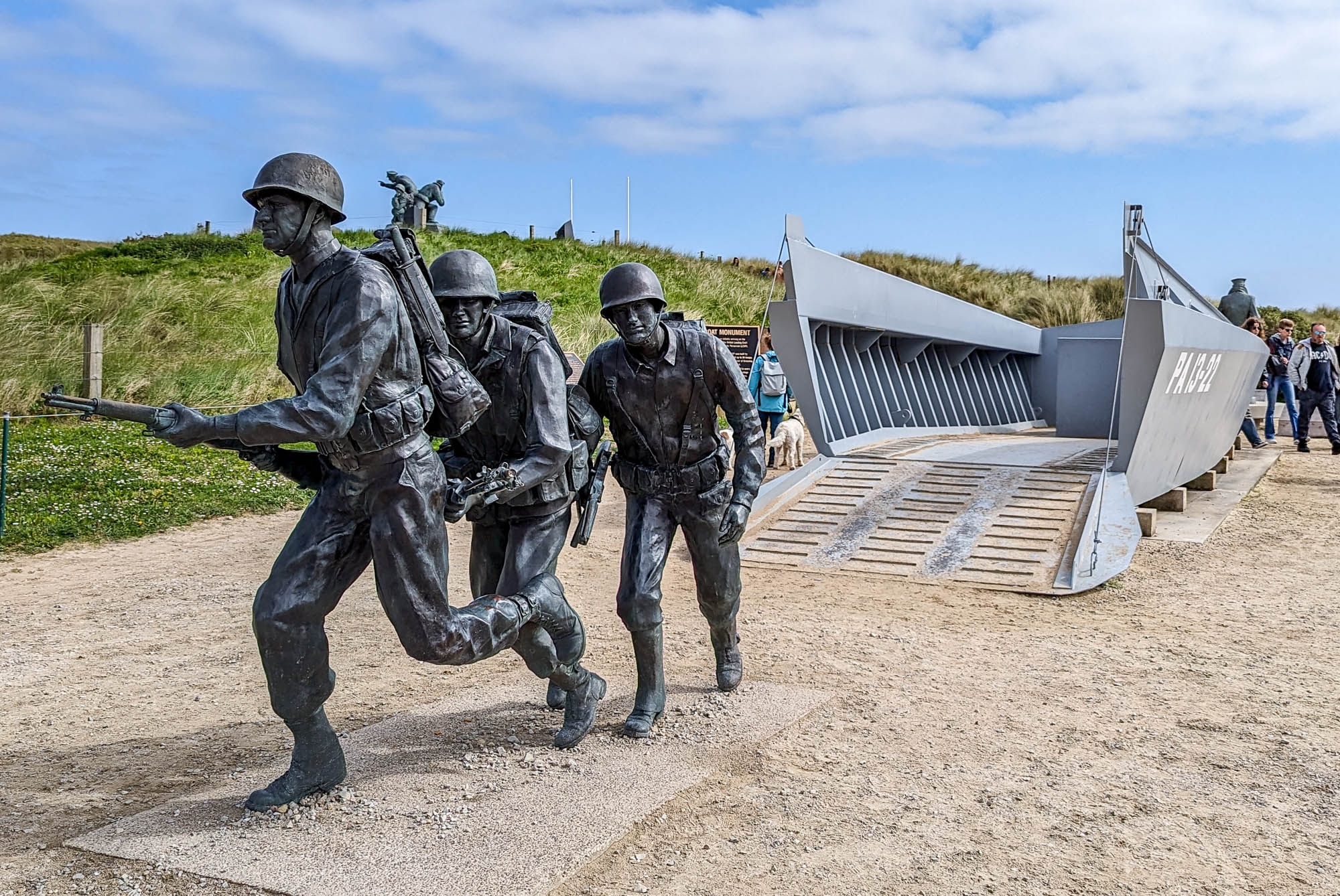
Juno Beach Centre – Understanding Canada’s Role in D-Day
Located in Courseulles-sur-Mer, the Juno Beach Centre is the only museum in Normandy dedicated entirely to Canada’s contribution during the Second World War.
Through immersive exhibitions, personal testimonies, original artefacts and multimedia displays, visitors discover not only the events of D-Day but also the broader Canadian war effort and the country’s role in the liberation of Western Europe.
The museum succeeds in balancing military history with personal stories. Letters, photographs and everyday objects help transform historical events into individual experiences, making the visit particularly engaging even for those with little prior knowledge of the war.
Outside, guided tours of the preserved German bunkers provide additional insight into the Atlantic Wall and the obstacles Canadian troops encountered as they came ashore.
For many visitors, the museum provides the historical context that makes the entire day even more meaningful.
Did You Know? The Juno Beach Centre was created with the support of Canadian veterans to preserve the memory of Canada’s contribution during the Normandy Campaign.
Your Driver-Guide Recommends: Allow enough time for both the museum and the bunker tour if available.
Suggested visit: 60–75 minutes.
Continue Your Journey Along the Canadian Sector
Beyond Juno Beach, several nearby sites help complete the story of Canada’s role on D-Day.
From Bernières-sur-Mer to the Bény-sur-Mer Canadian War Cemetery, each stop highlights a different chapter of the Canadian advance through Normandy.
Bernières-sur-Mer – Where Canadian Troops Came Ashore
Just east of Courseulles-sur-Mer, Bernières-sur-Mer was one of the first objectives of the Queen’s Own Rifles of Canada.
Despite strong German resistance, Canadian soldiers secured the village and continued their advance inland within hours of landing.
Today, Bernières-sur-Mer remains a quiet seaside village where history blends naturally into everyday life.
The beachfront retains much of its original character, making it easy to imagine the challenges faced by the first assault waves.
One of the village’s best-known landmarks is Canada House, believed to be the first home liberated by Canadian troops on D-Day. Its distinctive façade has become an enduring symbol for Canadian visitors returning to Normandy.
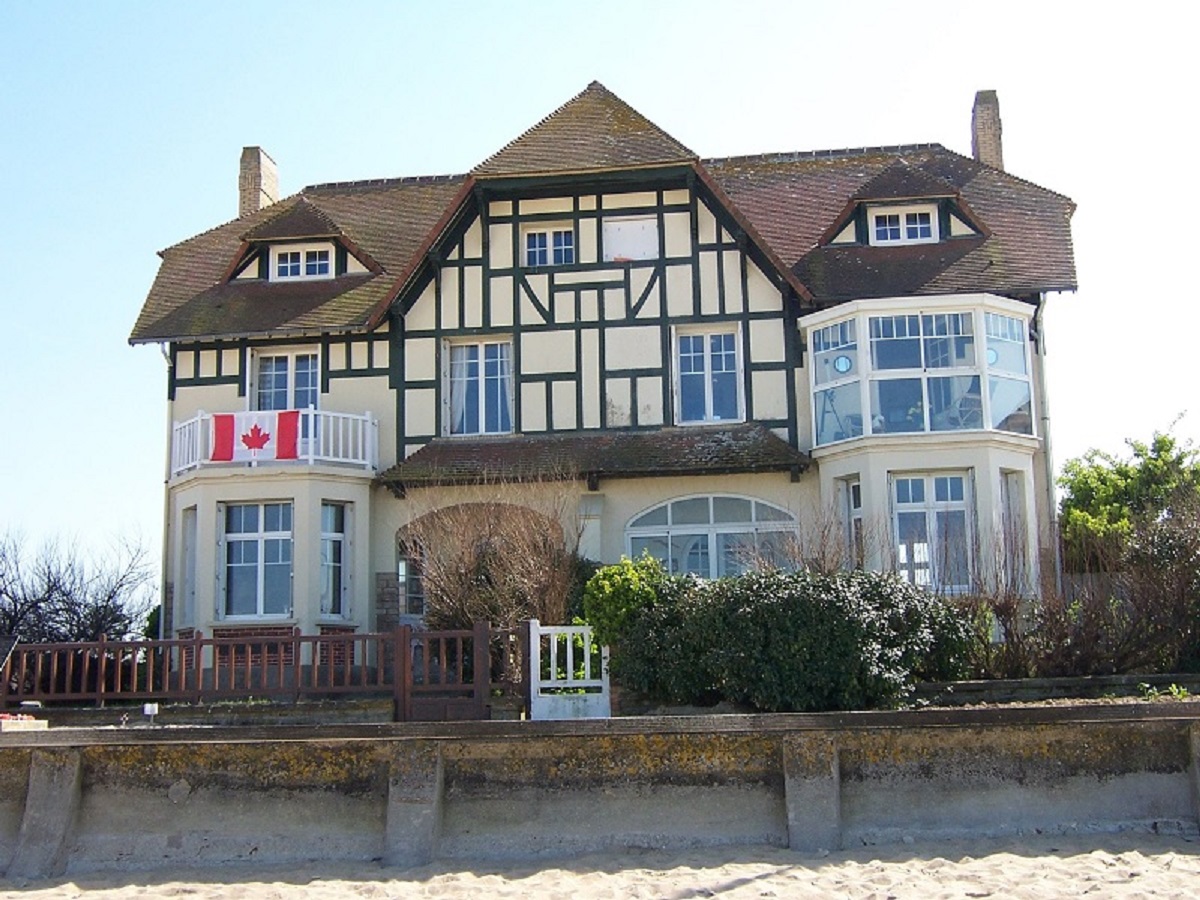
Unlike larger memorial sites, Bernières invites visitors to slow down, walk along the promenade and appreciate how closely the modern village resembles wartime photographs.
Your Driver-Guide Recommends: A short walk along the seawall offers one of the best perspectives of the Canadian landing beaches.
Suggested visit: 30–40 minutes.
Bény-sur-Mer Canadian War Cemetery – Remembering Those Who Never Returned
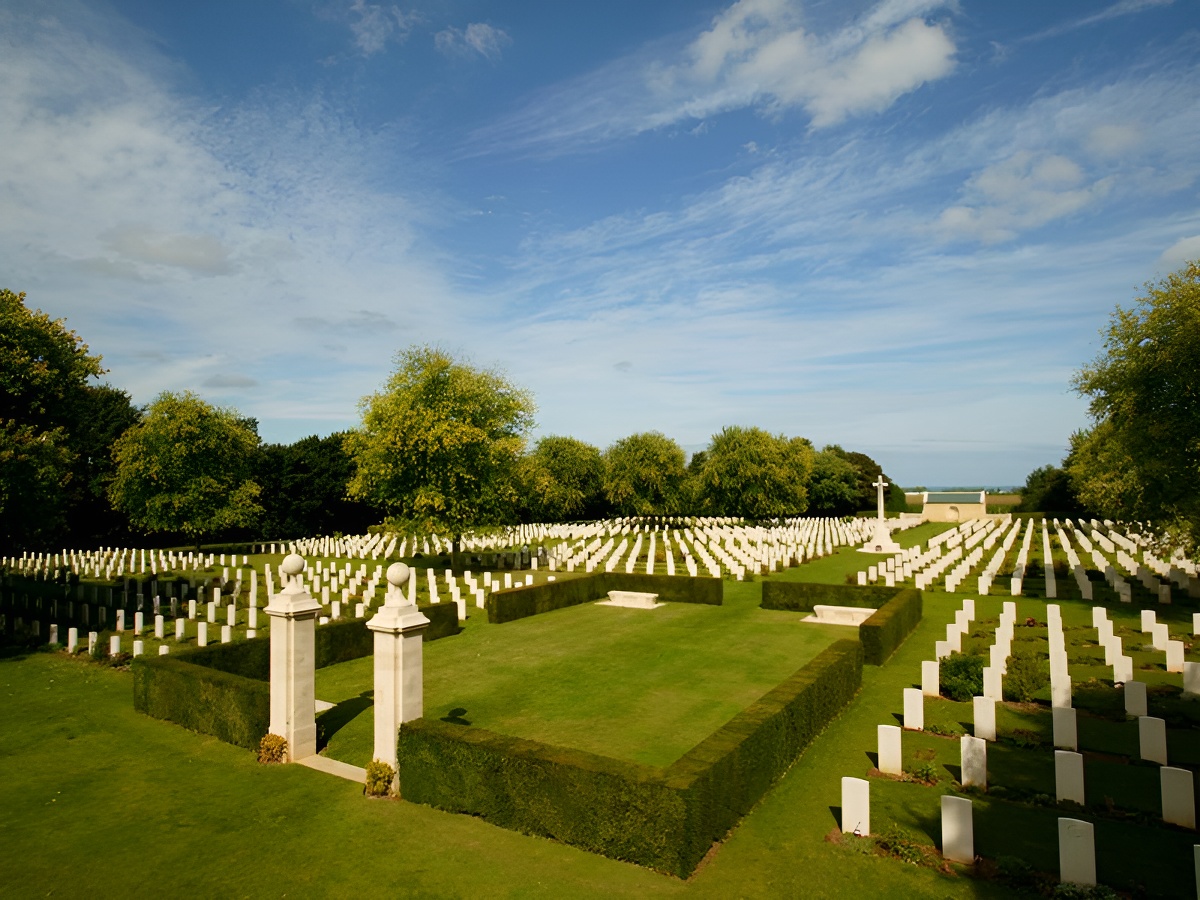
A few kilometres inland, the Bény-sur-Mer Canadian War Cemetery provides one of the most moving moments of the day.
More than 2,000 Canadian soldiers are buried here, most of whom lost their lives during the Battle of Normandy. Surrounded by farmland and carefully maintained gardens, the cemetery reflects the quiet dignity that characterises the Commonwealth War Graves Commission sites.
Compared with larger military cemeteries, Bény-sur-Mer feels particularly intimate. Visitors often spend time reading the personal inscriptions chosen by families, reminding us that every headstone represents an individual story.
For many Canadian families, this is the emotional heart of the journey.
Did You Know? Most of the soldiers buried here served with the 3rd Canadian Infantry Division and the 2nd Canadian Armoured Brigade.
Your Driver-Guide Recommends: Allow time to walk slowly through the cemetery before visiting the memorial register near the entrance.
Suggested visit: 45–60 minutes.
Our Recommended One-Day Itinerary on DDay Juno beach
A full day allows you to explore the most significant Canadian D-Day sites without rushing.
9:00 AM – Hotel Pick-up
Departure from Deauville, Honfleur, Bayeux, Caen or Le Havre.
During the drive, we introduce Canada’s role in Operation Overlord and the objectives assigned to the 3rd Canadian Infantry Division.
10:30 AM – Juno Beach
Begin the day on the beach itself before visitor numbers increase. Walking the shoreline first provides valuable context before visiting the museum.
Suggested visit: 45–60 minutes.
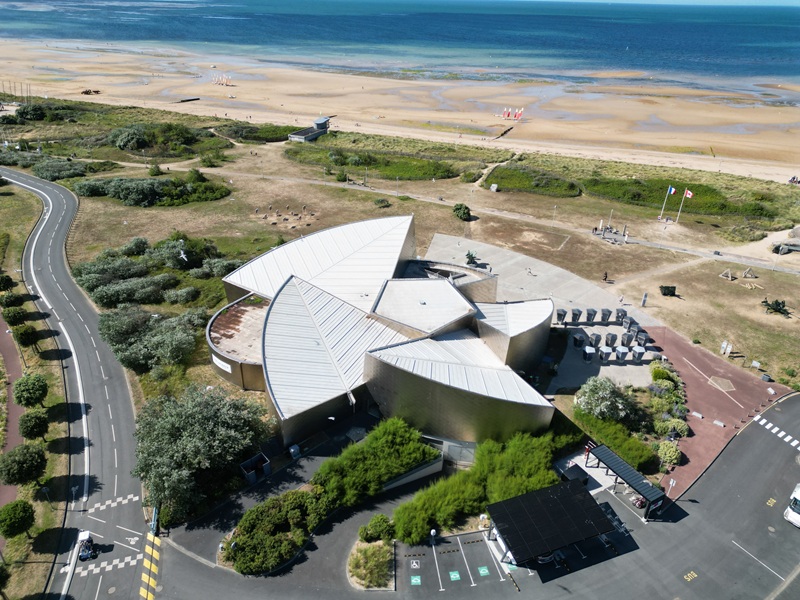
11:30 AM – Juno Beach Centre
Discover Canada’s military contribution through immersive exhibitions, original artefacts and the preserved German bunkers.
Suggested visit: 60–75 minutes.
default
1:00 PM – Lunch
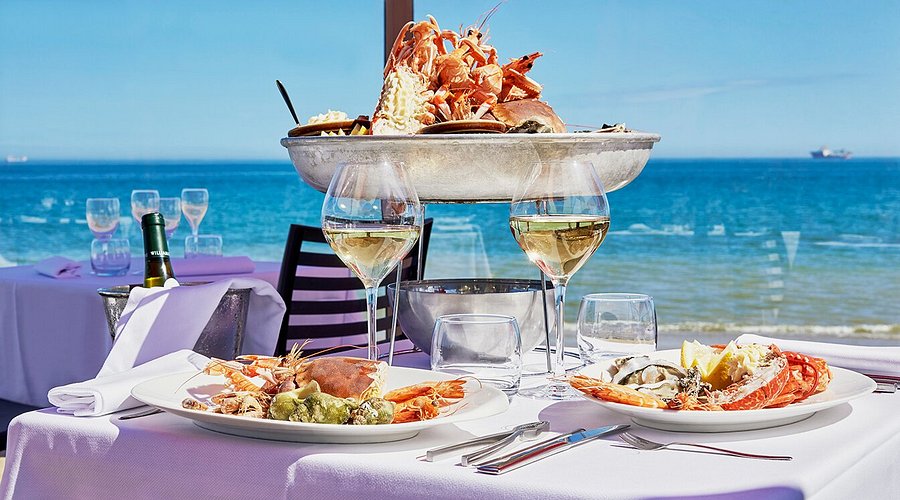
Enjoy lunch in Courseulles-sur-Mer or another nearby seaside village, where fresh seafood and Norman specialities make an ideal break before the afternoon visits.
Your Driver-Guide Recommends: Booking lunch before 1:00 PM generally provides the best balance between the morning visits and the afternoon itinerary.
2:30 PM – Bernières-sur-Mer
After lunch, continue east towards Bernières-sur-Mer, one of the first villages liberated by Canadian troops on D-Day.
Take time to walk along the beachfront, discover the famous Canada House, and compare today’s peaceful coastline with the historic photographs taken in June 1944. Although smaller than other D-Day sites, Bernières offers one of the most authentic atmospheres of the entire Canadian sector.
Suggested visit: 30–40 minutes.
Bény-sur-Mer Canadian War Cemetery
3:15 PM : A short drive inland brings you to the Bény-sur-Mer Canadian War Cemetery, where more than 2,000 Canadian soldiers are buried.
The peaceful setting encourages visitors to slow down and reflect. Many guests spend time reading the personal inscriptions engraved on the headstones, a reminder that every name represents an individual story and a family forever changed by the war.
Suggested visit: 45–60 minutes.
A Scenic Return Through Normandy
4:30 PM : As the day draws to a close, the return journey can become part of the experience itself.
Depending on your departure point and the time available, your driver-guide may suggest taking a more scenic route through Normandy rather than returning directly. This can include a stop in charming coastal towns such as Ouistreham or Cabourg, a visit to the historic Pegasus Bridge, or an extension to Arromanches-les-Bains, where the remains of the Mulberry Harbour still illustrate the extraordinary logistical achievement of the Allied landings.
These optional stops add another dimension to the day, combining history, coastal scenery and a glimpse of everyday life in Normandy.
Your Driver-Guide’s Tip: If your schedule allows, a scenic return through the Normandy coast is often the perfect way to end the day before heading back to your hotel or cruise port.
Continue the Journey in Courseulles-sur-Mer
After exploring Juno Beach and the museum, take time to discover Courseulles-sur-Mer, the seaside town where many Canadian soldiers first entered France on D-Day.
Today, its marina, fishing harbour and lively streets offer a striking contrast to the events of June 6, 1944. Walking along the waterfront helps visitors appreciate how the town has preserved its maritime identity while honouring its wartime history through memorials and commemorative plaques.
For many Canadian visitors, this quieter stop provides a welcome opportunity to reflect before continuing to the cemetery.
Your Driver-Guide Recommends: The harbour promenade is an excellent place for a short walk before leaving the coast.
Suggested visit: 30 minutes.
Why a Private Driver-Guide Makes All the Difference
Exploring the Canadian D-Day sector with a private chauffeur allows you to experience the day at your own pace.
Some visitors prefer spending extra time at the Juno Beach Centre, while others wish to linger at Bény-sur-Mer or stop unexpectedly in one of the small coastal villages. A personalised itinerary makes these adjustments possible without the constraints of a fixed group schedule.
It also leaves time to enjoy Normandy beyond its history, whether through a scenic coastal drive, a local restaurant or a stop at one of the region’s renowned cider or Calvados producers.
The Deauville Limousines Services Private Experience
Every journey to Juno Beach is unique.
Some guests travel from Canada to honour a relative who served during the Normandy Campaign. Others simply wish to better understand Canada’s contribution to D-Day.
Before every excursion, we discuss your interests and adapt the itinerary accordingly. Throughout the day, we share local knowledge, recommend places to stop and ensure you have enough time to experience each site without feeling rushed.

What Makes a Private Tour Different?
- Hotel, airport or railway station pick-up
- English-speaking bilingual Driver-Guide
- Luxury SUV, Van or Mercedes Sprinter
- Flexible itinerary throughout the day
- Restaurant recommendations and reservations on request
- Tours for couples, families and private groups
Frequently Asked Questions
Is Juno Beach worth visiting if I've already been to Omaha Beach?
Absolutely. Juno Beach tells a different story, focusing on Canada’s role in the Normandy landings and one of the most successful Allied advances on D-Day.
How long should I plan for a visit?
A full day allows enough time to explore Juno Beach, the Juno Beach Centre, Bernières-sur-Mer, Courseulles-sur-Mer and Bény-sur-Mer Canadian War Cemetery at a comfortable pace.
Is the Juno Beach Centre suitable for children?
Yes. Its interactive exhibitions and multimedia displays make it accessible for visitors of all ages, including families.
When is the best time to visit Juno Beach?
Spring and autumn generally offer pleasant weather and fewer visitors, while June is especially meaningful because of the D-Day commemorations.
Plan Your Personalised Juno Beach Experience
Juno Beach is more than a historic destination. It is a place where Canada’s story in Europe comes to life through beaches, villages and memorials that continue to preserve the memory of those who fought here.
Whether you are travelling to honour a family member or to better understand Canada’s role in the Second World War, discovering the Canadian sector with a bilingual chauffeur allows you to experience Normandy at your own pace.
If you’re planning a visit to Normandy, we’d be delighted to help you create a personalised itinerary combining history, local culture and the comfort of private transportation.
"*" indicates required fields