


For many American visitors, a trip to Normandy is far more than sightseeing. It is a journey into family history, a tribute to those who fought on June 6, 1944, or a lifelong dream finally coming true.
Every week, we welcome travellers with different stories but the same goal: to better understand what happened on the D-Day beaches. Some arrive after years of researching a relative, while others simply want to discover one of the defining moments of the Second World War.
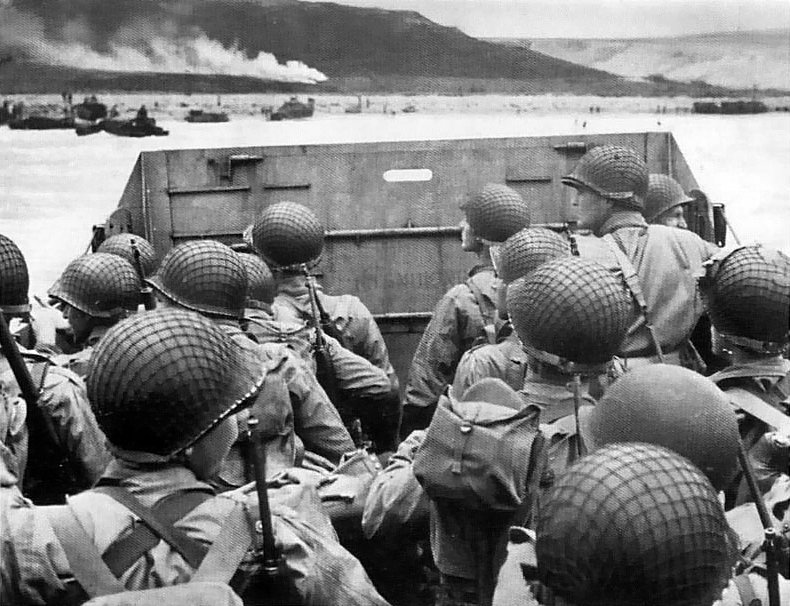
Visiting Omaha Beach and Utah Beach is not about ticking landmarks off a list. It is about understanding the landscape, the strategy and the human stories that shaped history. In this guide, we share the itinerary we recommend most often, along with practical advice gathered from years of accompanying visitors across Normandy.
Why Visit Omaha & Utah Beach?
Although separated by less than an hour’s drive, Omaha Beach and Utah Beach tell two very different stories. One became a symbol of extraordinary sacrifice, while the other illustrates how planning and preparation contributed to the success of the Allied landings.
Visiting both provides the most complete introduction to the American sector of D-Day and allows you to understand the scale and complexity of Operation Overlord.
Omaha Beach – The Most Iconic American Landing Site
Few places in Europe leave such a lasting impression as Omaha Beach. Stretching for several kilometres along the Normandy coast, it is difficult to reconcile today’s peaceful landscape with the events of June 6, 1944.
Standing on the sand at low tide immediately reveals the immense distance between the shoreline and the bluffs. The terrain itself explains why this became one of the most difficult objectives of D-Day. Unlike many historic sites, Omaha Beach has remained remarkably authentic, allowing visitors to understand history through the landscape rather than reconstructed attractions.
Some visitors choose to walk quietly along the beach, while others compare archive photographs with the scenery before them or simply pause to reflect. The atmosphere encourages contemplation more than conversation.
Your Driver-Guide Recommends: Arrive before 10:30 AM to enjoy quieter beaches and better light for photography.
Suggested visit: 45–60 minutes.
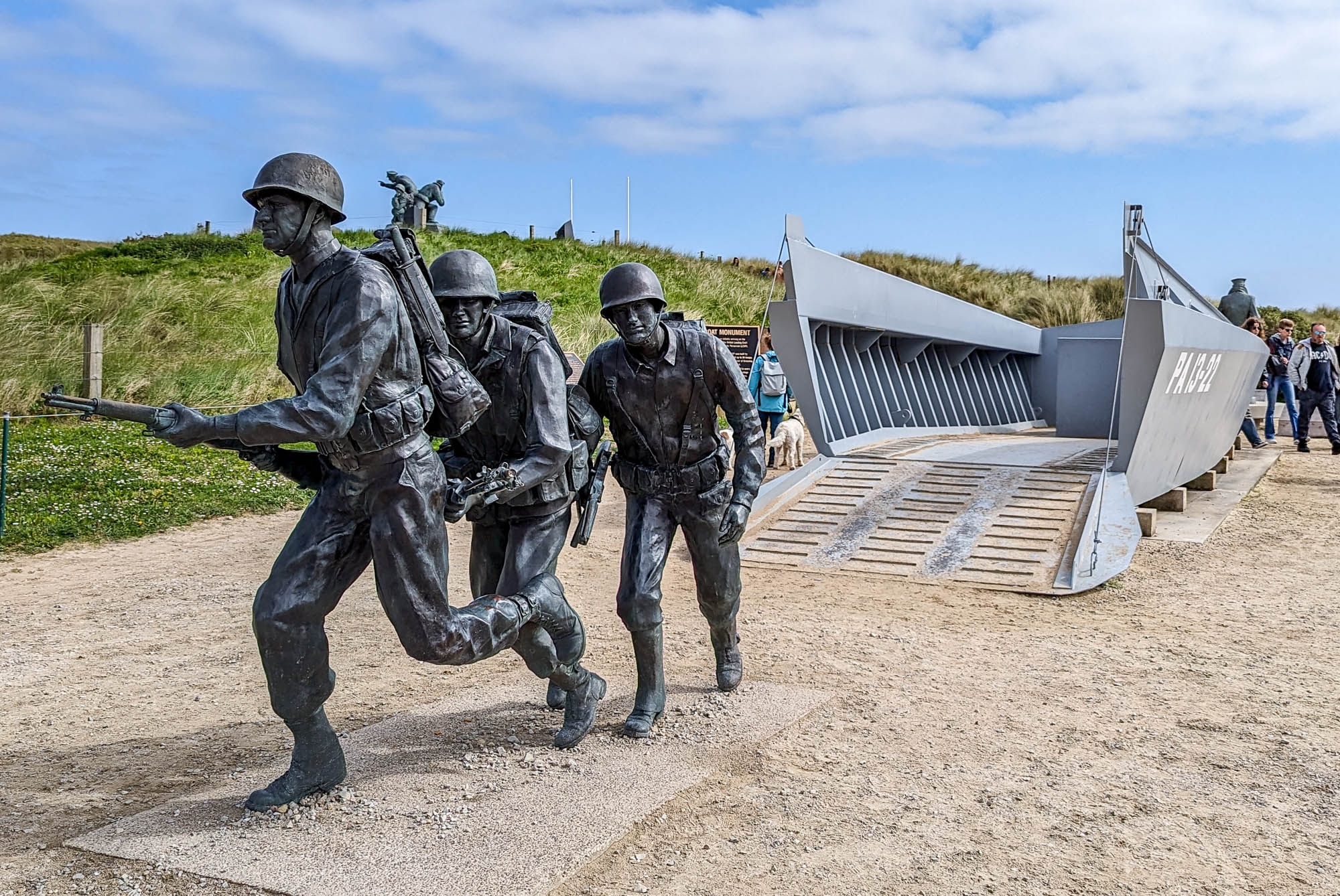
Normandy American Cemetery – A Place of Reflection Rather Than a Museum
Only a few minutes from Omaha Beach, the Normandy American Cemetery overlooks the English Channel and honours 9,388 American service members who lost their lives during the Normandy Campaign.
The perfectly aligned rows of white marble crosses and Stars of David create one of the most recognisable images of D-Day, yet photographs rarely capture the emotion of standing among them. We recommend taking time to visit both the memorial and the cemetery before walking to the panoramic terrace overlooking Omaha Beach.
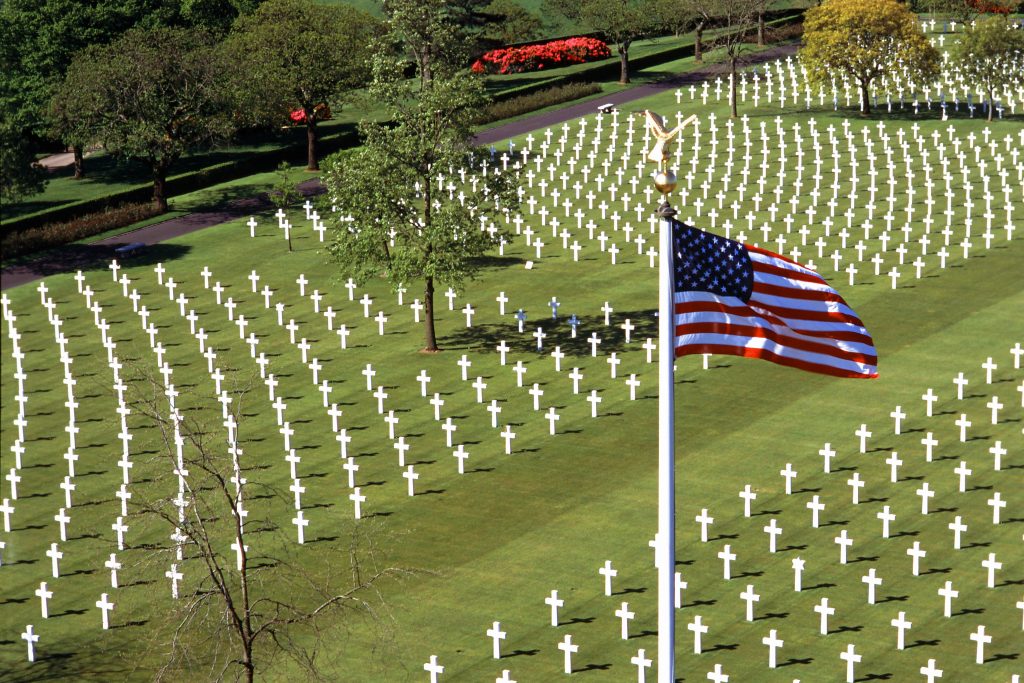
For many visitors, this becomes the most personal moment of the day. Families search for the grave of a relative, veterans pay tribute to former comrades, and younger generations discover the human cost of war. The visitor centre complements the experience with personal stories, photographs and original artefacts that place the campaign into a human perspective.
Did You Know? The cemetery is maintained year-round by the American Battle Monuments Commission, with ceremonies held regularly around Memorial Day and the D-Day anniversary.
Photography Tip: The terrace overlooking Omaha Beach offers one of the finest panoramic views along the Normandy coastline.
Suggested visit: 60–75 minutes.
Continue Your Journey Along the American D-Day Sector
After the Normandy American Cemetery, the story of D-Day continues at two remarkable sites. Pointe du Hoc highlights the courage of the U.S. Rangers, while Utah Beach explains how planning and coordination contributed to the success of the Allied landings. Together, they complete the American D-Day experience.
Pointe du Hoc – Where Courage Defied the Impossible
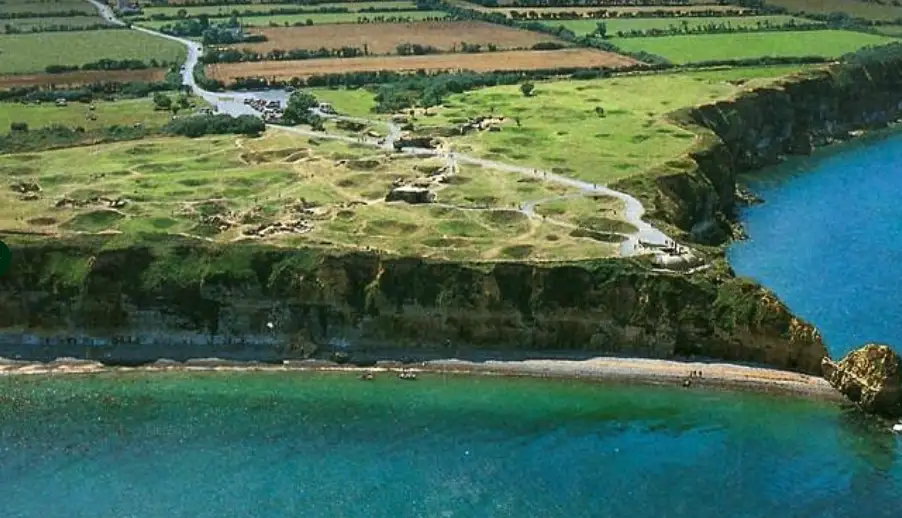
Few places illustrate the reality of combat as vividly as Pointe du Hoc. Overlooking the English Channel, these dramatic cliffs were one of Germany’s strongest defensive positions on D-Day.
On June 6, 1944, soldiers of the U.S. 2nd Ranger Battalion climbed the 30-metre cliffs under heavy fire to neutralise German artillery threatening both Omaha and Utah Beach. Today, the preserved bomb craters, bunkers and shattered landscape still bear witness to the intensity of the battle.
Unlike a traditional museum, Pointe du Hoc needs very little explanation. Walking across the site allows visitors to appreciate the extraordinary challenge the Rangers faced while carrying ropes, ladders and equipment under enemy fire.
Some visitors enjoy exploring every bunker, while others simply take in the dramatic views before continuing towards Utah Beach. The site is compact but unforgettable.
Our Chauffeur’s Tip: Wear comfortable shoes, as the paths can be uneven and slippery after rain.
Suggested visit: 45 minutes.
Photography Spot: The western edge of the cliffs offers one of the best panoramic views, combining the coastline, monument and bomb craters in a single frame.
Utah Beach – Understanding the Success of the American Landings
Utah Beach offers a striking contrast with Omaha Beach. Its wide shoreline and peaceful atmosphere make it easier to understand why this sector became one of the most successful Allied landing zones.
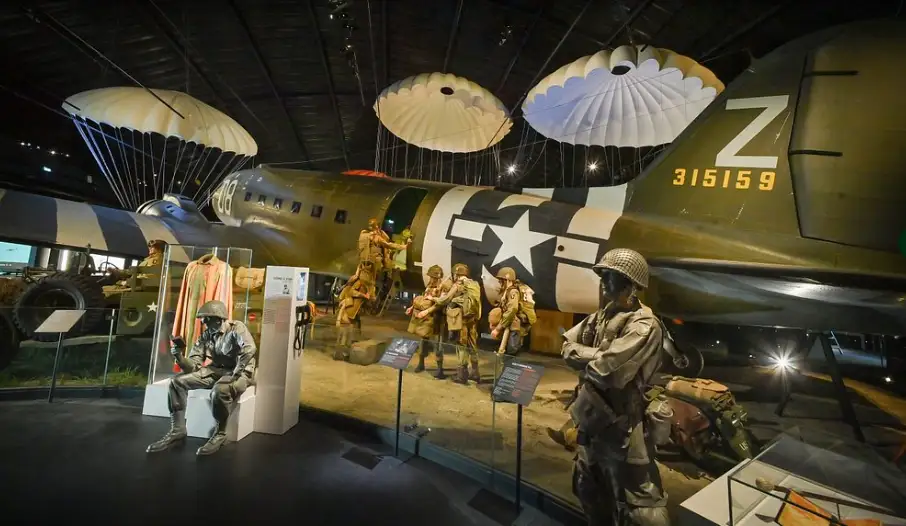
A combination of careful planning, airborne operations and an unexpected landing position reduced casualties and allowed American forces to advance inland more quickly. The beach itself invites a quiet walk, while the Utah Beach Museum provides valuable context through original vehicles, personal testimonies and one of the few surviving B-26 Marauder bombers displayed in Europe.
For many visitors, Utah Beach completes the story begun at Omaha. Instead of focusing solely on sacrifice, it reveals how strategy, logistics and determination shaped the outcome of D-Day.
Did You Know? American troops landed nearly two kilometres south of their planned position, a navigation error that unexpectedly placed them in a less heavily defended area.
Our Chauffeur’s Tip: The Utah Beach Museum is particularly engaging for families thanks to its immersive exhibits and original military equipment.
Suggested visit: 60–75 minutes.
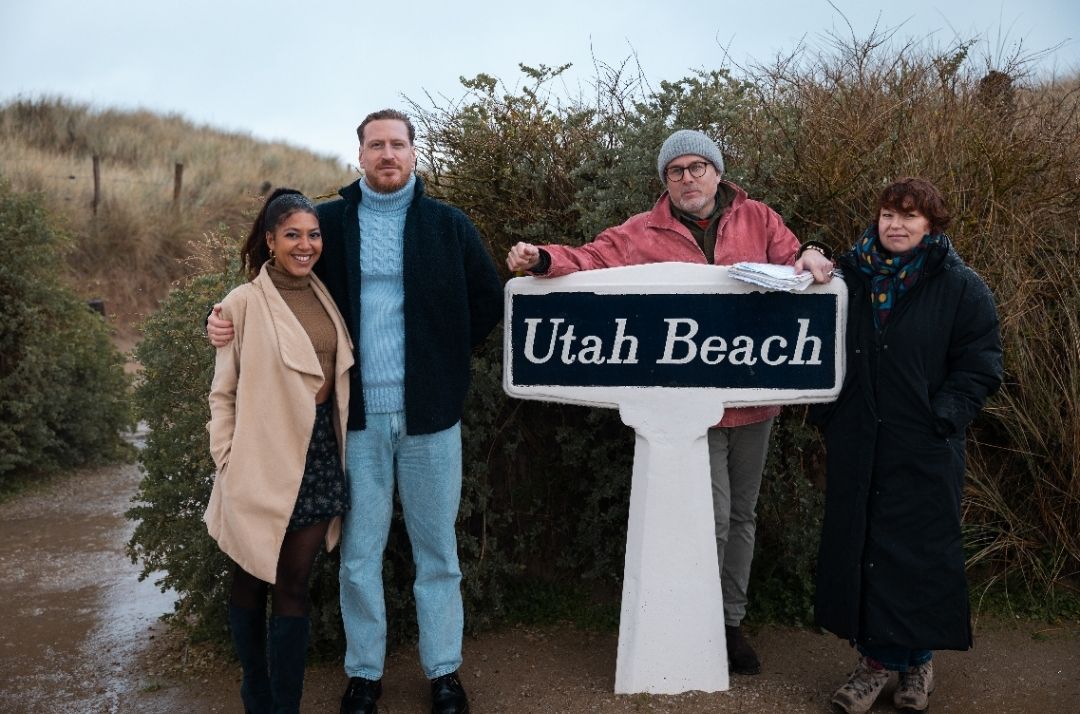
Our Recommended One-Day Itinerary on DDay US Beaches
Every traveller experiences Normandy differently, but over the years we have found that a balanced itinerary provides enough time to appreciate the key sites without feeling rushed.
For first-time visitors, this is the route we recommend most often.
9:00 AM – Hotel Pick-up
Whether you’re staying in Deauville, Honfleur, Bayeux, Caen or Le Havre, the day begins with a hotel pick-up.
During the drive, we introduce the historical context of Operation Overlord and answer any questions before reaching the beaches.
10:15 AM – Omaha Beach
Morning is the ideal time to visit Omaha Beach, before larger groups arrive.
Taking a few moments to observe the landscape before walking onto the sand helps visitors appreciate the scale of the battlefield and the challenges faced by the first assault waves.
Most visitors spend 45 to 60 minutes exploring the beach and memorials.
Your Driver-Guide Recommends: Morning light usually offers the best photography conditions, especially at low tide.
11:15 AM – Normandy American Cemetery
The cemetery naturally follows Omaha Beach, placing the events of the morning into a deeply human perspective.
Most visitors spend around an hour exploring the memorial, cemetery and panoramic terrace overlooking the coastline.
12:00 PM – Pointe du Hoc
The preserved cliffs, bomb craters and bunkers provide one of the most striking visual reminders of the Normandy Campaign.
Walking across the site brings the story of the U.S. Rangers vividly to life.
Suggested visit: 45 minutes.
Lunch – A Well-Deserved Break During Your D-Day Tour
After a morning exploring Omaha Beach, the Normandy American Cemetery and Pointe du Hoc, lunch offers a welcome opportunity to pause before continuing the journey through the American landing sector.
Rather than following a fixed schedule or stopping at a predetermined restaurant, your itinerary remains entirely tailored to your preferences. Whether you’re looking for a traditional Norman inn, fresh seafood by the coast or a more refined dining experience, your chauffeur will be happy to recommend a restaurant that matches your tastes and the day’s route.

Taking time for lunch is also an opportunity to relax, reflect on the morning’s visits and enjoy another side of Normandy before continuing towards Utah Beach and Sainte-Mère-Église.
Your Driver-Guide Recommends : We usually recommend planning lunch around 12:45 PM, allowing plenty of time to enjoy the afternoon visits without feeling rushed.
Afternoon
After lunch, the focus shifts from the intensity of the morning battles to the success of the Allied landings.
Utah Beach and Sainte-Mère-Église complete the story through strategy, airborne operations and the liberation of mainland France.
Utah Beach & Sainte-Mère-Église – Completing the Story of D-Day
While the morning is dominated by the emotion of Omaha Beach, the afternoon explains how the Allied operation ultimately succeeded.
Together, Utah Beach and Sainte-Mère-Église provide a broader understanding of the American campaign in Normandy.
Utah Beach – Where the Invasion Began to Turn
Compared with Omaha Beach, Utah Beach surprises visitors with its peaceful atmosphere. The wide shoreline makes it easier to understand why this sector became one of the most successful landing zones on D-Day.
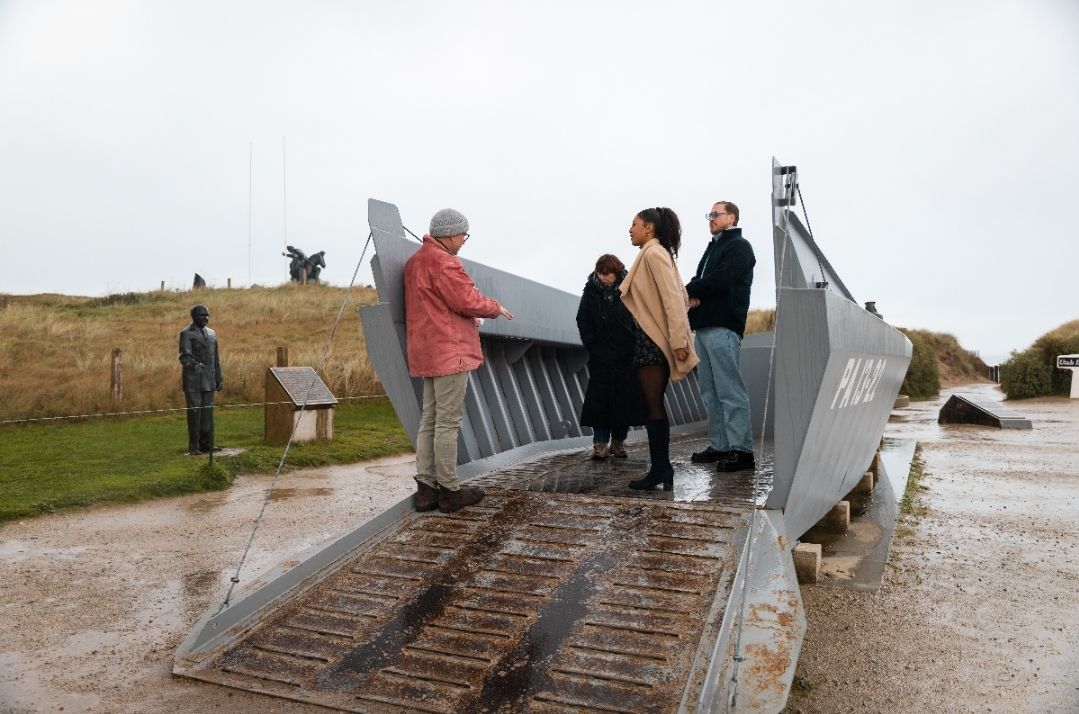
American troops landed almost two kilometres south of their intended position. What first appeared to be a navigation error ultimately placed them in a less heavily defended sector, helping the Allied advance inland.
Today, visitors enjoy walking along the beach, discovering the Les Braves memorial and exploring the Utah Beach Museum, whose vehicles, aircraft and personal testimonies explain the operation in remarkable detail.
Many visitors describe Utah Beach as a place of hope rather than tragedy, offering the perfect complement to the morning’s visits.
Your Driver-Guide Recommends: Even visitors with little military knowledge usually find the Utah Beach Museum one of the highlights of the day.
Suggested visit: 60–75 minutes.
Accessibility: Most viewpoints and museum facilities are easily accessible for visitors with reduced mobility.
Sainte-Mère-Église – The Village That Became a Symbol
Leaving the coast behind, the road leads to one of Normandy’s most famous villages.
Sainte-Mère-Église is instantly recognisable thanks to the parachute hanging from its church tower, commemorating paratrooper John Steele during the airborne assault of June 6, 1944. Beyond this famous landmark, the village preserves numerous memorials and historic buildings linked to the liberation.
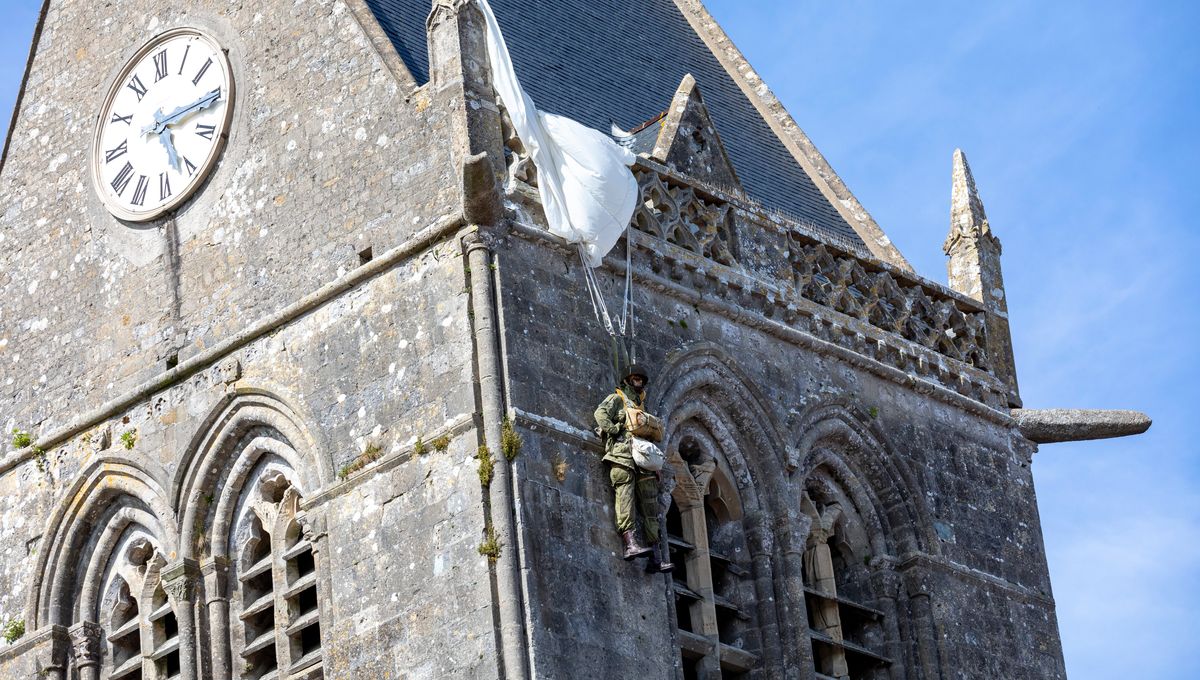
Visitors interested in the airborne operations should also allow time for the Airborne Museum, whose immersive exhibitions perfectly complement the beaches visited earlier in the day.
Walking through the village offers a quieter conclusion to the historical itinerary while highlighting one of the first French towns liberated on D-Day.
Did You Know? Sainte-Mère-Église is widely recognised as one of the first towns liberated on June 6, 1944.
Your Driver-Guide Recommends: Enjoy a coffee on the village square before returning—the perfect moment to reflect on the day’s experience.
Why a Private Driver-Guide Makes All the Difference
A private chauffeur allows you to experience Normandy at your own pace.
Rather than following a fixed timetable, you can spend more time at the places that matter most, whether that means walking longer on Omaha Beach, researching a family member at the cemetery or making an unplanned stop along the route.
The journey is equally about the details: avoiding busy arrival times, choosing the right lunch stop, taking scenic roads through the countryside and adapting the day to your interests.
Ultimately, a private excursion is not simply about transportation—it is about creating the conditions for a meaningful and memorable experience.
The Deauville Limousines Services Private Experience
Every traveller arrives in Normandy with a different story.
Some are retracing a family history, while others are discovering the D-Day beaches for the first time.
Before every excursion, we take time to understand your interests so the day reflects what matters most to you.
 Throughout the journey, we share local knowledge, recommend restaurants and adapt the itinerary whenever needed. Sometimes that means spending longer at the American Cemetery; sometimes it means taking the scenic route home through the Norman countryside.
These small details rarely appear in a brochure, yet they are often what guests remember most.
What Makes a Private Tour Different?
- Hotel, airport or railway station pick-up
- English-speaking Driver-Guide
- Luxury SUV, Van or Mercedes Sprinter
- Flexible itinerary throughout the day
- Restaurant recommendations and reservations on request
- Tours for couples, families and private groups
Frequently Asked Questions
Is one day enough to visit Omaha Beach and Utah Beach?
Yes. A full day comfortably includes Omaha Beach, the Normandy American Cemetery, Pointe du Hoc, Utah Beach and Sainte-Mère-Église.
The itinerary can also be adapted if you wish to spend more time at a particular site.
Which beach is more emotional: Omaha or Utah?
Most visitors find Omaha Beach the most emotional because of the heavy casualties suffered there.
Utah Beach offers a different perspective, helping visitors understand the planning and strategy behind the success of the Allied landings.
Visiting both provides the most complete experience.
Is this tour suitable for families?
Absolutely. The itinerary can easily be adapted for families, with shorter visits, interactive museums and regular breaks throughout the day.
When is the best time to visit the D-Day Beaches?
Normandy is worth visiting year-round.
Spring and autumn generally offer quieter conditions, while June remains a special period because of the D-Day commemorations.
Plan Your Personalised D-Day Experience
Normandy leaves a lasting impression because every beach, village and memorial tells a human story.
Whether this is your first visit or the result of years of family research, exploring the D-Day beaches with a bilingual driver-guide allows you to discover Normandy at your own pace, without rushing from one site to another.
Long after the journey ends, most visitors remember more than the historic landmarks. They remember the conversations during the drive, the lunch overlooking the Norman countryside, the villages discovered along the way and the moment they finally stood where history changed forever.
If you’re planning a visit to Normandy, we’d be delighted to help you create an itinerary that reflects your interests and makes the most of your time in the region.
"*" indicates required fields